Skip to content


Why Dog Hair Grooming Matters for Your Dog’s Health and Happiness
More Than Just Looks: The Health Benefits of Regular Grooming
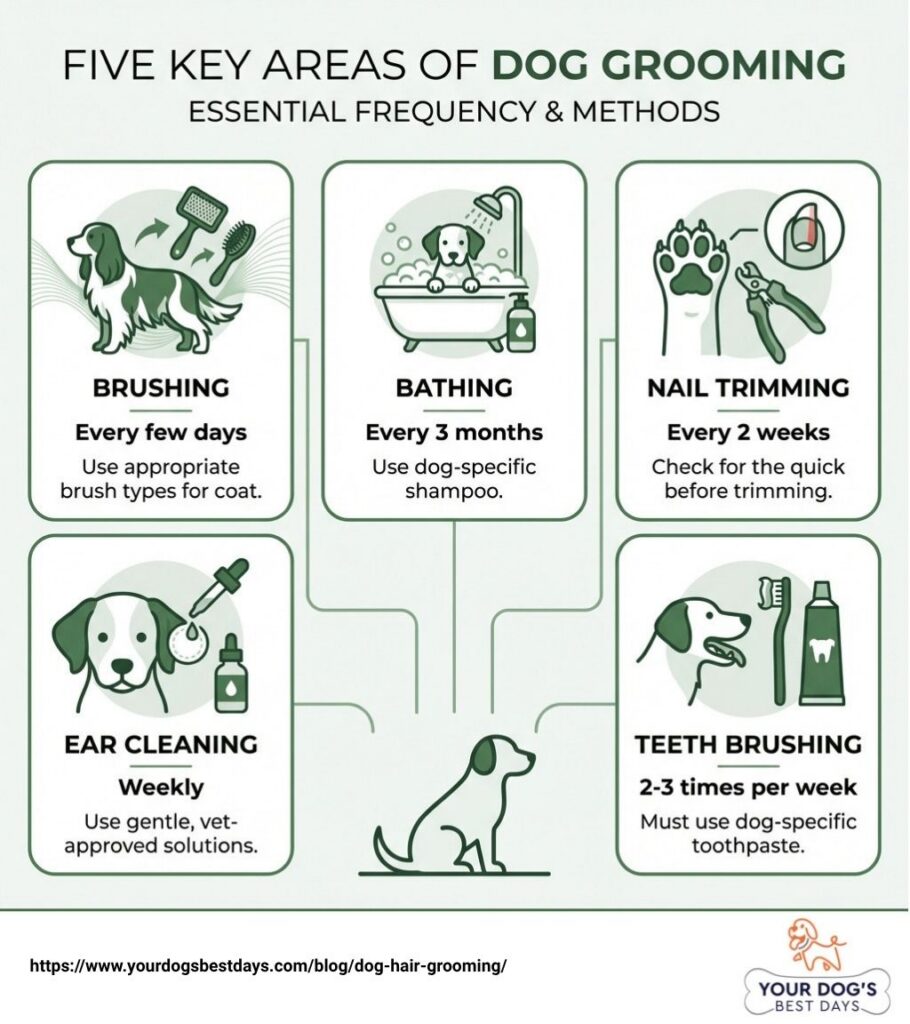
Key dog hair grooming tasks include:
- Brushing: Removes loose hair and prevents mats (every few days).
- Bathing: Keeps the coat clean (every 3 months, or as needed).
- Nail Trimming: Prevents discomfort and injury (every 2 weeks).
- Ear Cleaning: Prevents infections (weekly).
- Teeth Brushing: Protects against dental disease (2-3 times per week).
Different coat types require different tools and techniques, and understanding your dog’s specific needs is key to effective grooming.
This guide focuses on the fundamentals of at-home coat maintenance, hygiene routines, and skin health. For professional styling and de-shedding, see our Grooming Services page. For localized advice, read our guide to Tulsa Dog Grooming 101. If your dog needs to burn off energy before a spa day, explore our Dog Daycare programs.
The Ultimate Guide to At-Home Coat Maintenance
This section covers the essential DIY aspects of keeping your dog’s coat healthy and clean, from choosing the right tools to establishing a positive routine.
Essential Tools and Brushing Techniques for Every Coat Type
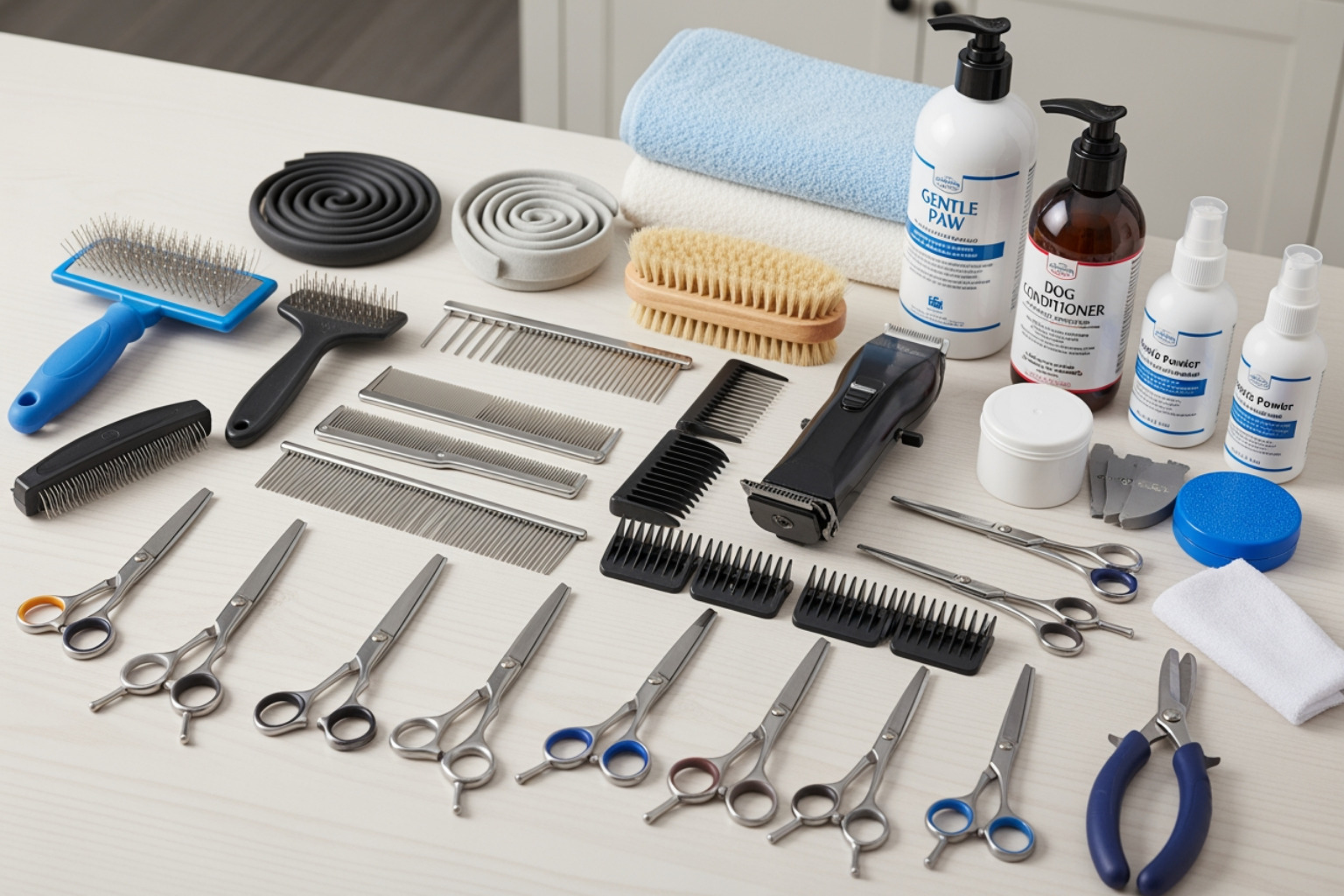
A good grooming kit is essential for dog hair grooming. Key tools include a comb, slicker brush, dog-specific shampoo, nail clippers, and brushes suited to your dog’s coat.
Regular brushing is a cornerstone of your dog’s health. It prevents painful mats, reduces shedding, distributes natural oils for a healthy shine, and lets you check for skin issues like lumps or parasites.
The right brush and frequency depend on the coat type:
- Short Coats (Beagles, Boxers): Brush every few days with a bristle brush or grooming glove to remove loose hair.
- Long Coats (Collies, Golden Retrievers): Brush daily with a slicker brush and pin brush to prevent tangles and mats.
- Double Coats (Huskies, German Shepherds): Brush daily during shedding season with a slicker brush and an undercoat rake to manage the dense undercoat.
- Curly Coats (Poodles, Bichon Frises): Brush daily with a slicker brush to prevent mats from forming in the curls.
For long and double coats, line brushing—parting the hair and brushing in sections from the skin out—is highly effective at preventing deep mats. For more on brush types, see this guide to choosing dog brushes.
Essential Brushes:
- Slicker Brush: Removes mats and loose hair from most coat types (except smooth).
- Bristle Brush: Good for short coats and finishing longer coats.
- Undercoat Rake: Removes loose undercoat from double-coated breeds.
- Steel Comb: Perfect for finishing and checking for small tangles.
Creating a Regular Dog Hair Grooming Routine
Consistency is key for a successful dog hair grooming routine. Make it a positive experience with plenty of treats and praise. Start with short sessions and gradually increase the time as your dog gets comfortable. A calm approach helps your dog feel secure.
Here is a recommended grooming schedule:
- Bathing: Every 2-4 months, or as needed. Over-bathing can dry out the skin. Always use a mild shampoo formulated for dogs.
- Brushing: Every few days for most dogs, or daily for long-haired breeds and during heavy shedding seasons.
- Nail Trimming: Every 2 weeks, or when you hear nails clicking on the floor.
- Ear Cleaning: Weekly to prevent wax buildup and infections.
- Teeth Brushing: 2-3 times per week to prevent plaque buildup and dental disease.
For professional help with your grooming routine, learn more about our grooming services.
Beyond the Brush: Nail, Ear, Eye, and Dental Care
Comprehensive dog hair grooming includes more than just the coat.
Nail Trimming: Use a specially designed nail clipper or grinder. Trim only the tip, avoiding the “quick” (the pink blood vessel inside). On dark nails, clip small bits at a time. If you accidentally cut the quick, apply styptic powder to stop the bleeding.
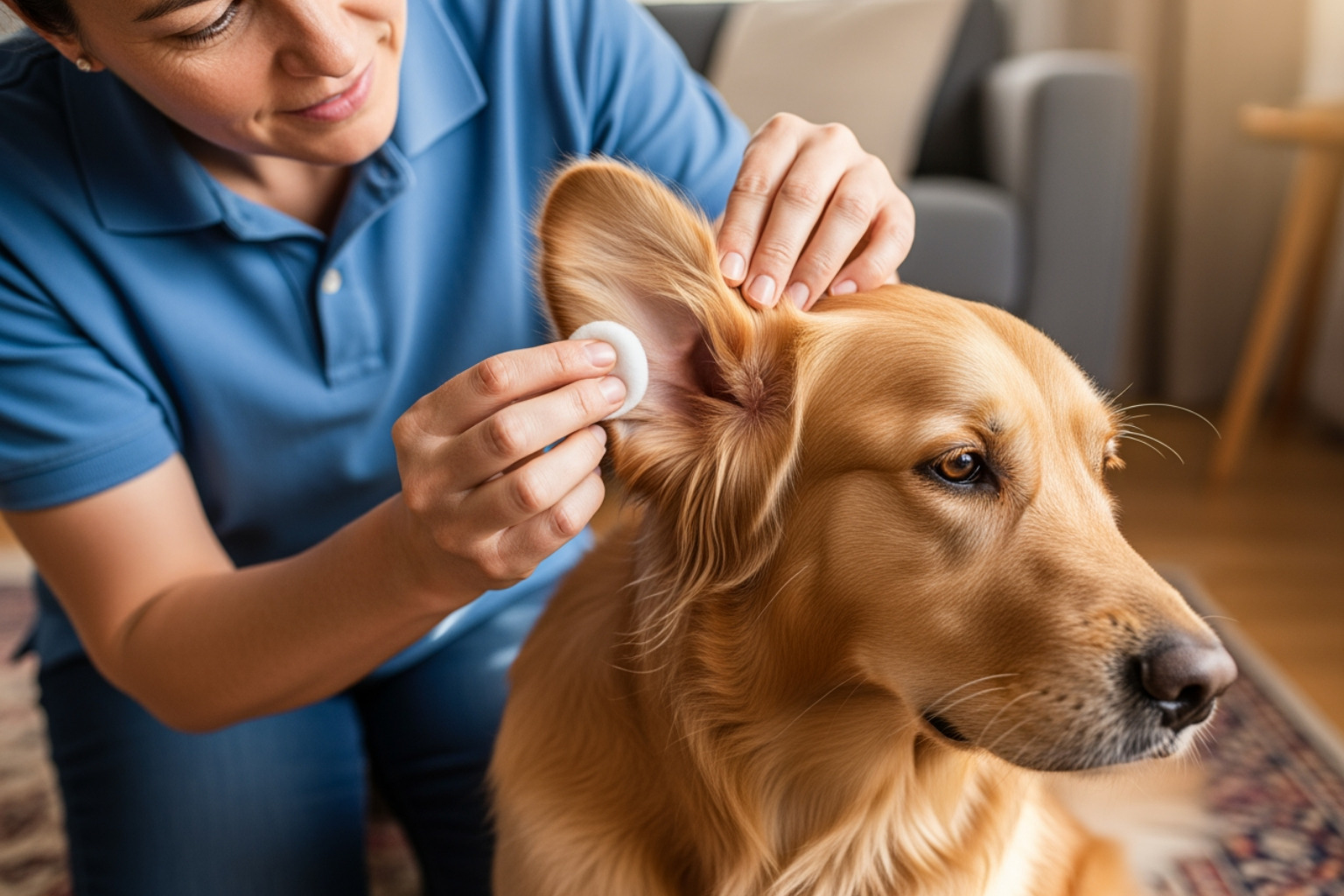
Ear Cleaning: Clean ears weekly with a cotton ball moistened with a vet-approved cleaner. Gently wipe the inner surface, going only as deep as your finger can reach. Never use Q-tips. Signs of infection include redness, odor, discharge, or excessive scratching; see a vet if you notice these.
Eye Care: Check eyes regularly. They should be clear and bright. Gently wipe away any crust with a damp cloth. Trim hair around the eyes of long-haired breeds to prevent irritation. Persistent discharge or redness warrants a vet visit.
Dental Care: Brush teeth 2-3 times a week with a dog toothbrush and toothpaste. Never use human toothpaste. Bad breath, inflamed gums, or tartar buildup are signs of oral disease that may require professional attention.
Paw Care: Check paws for cuts or foreign objects. Trim hair between the pads to prevent matting. In winter, rinse paws after walks to remove salt and consider using booties. In summer, avoid hot pavement to prevent burns.
Tackling Common Grooming Challenges
Even with a good routine, you may face some common dog hair grooming challenges.
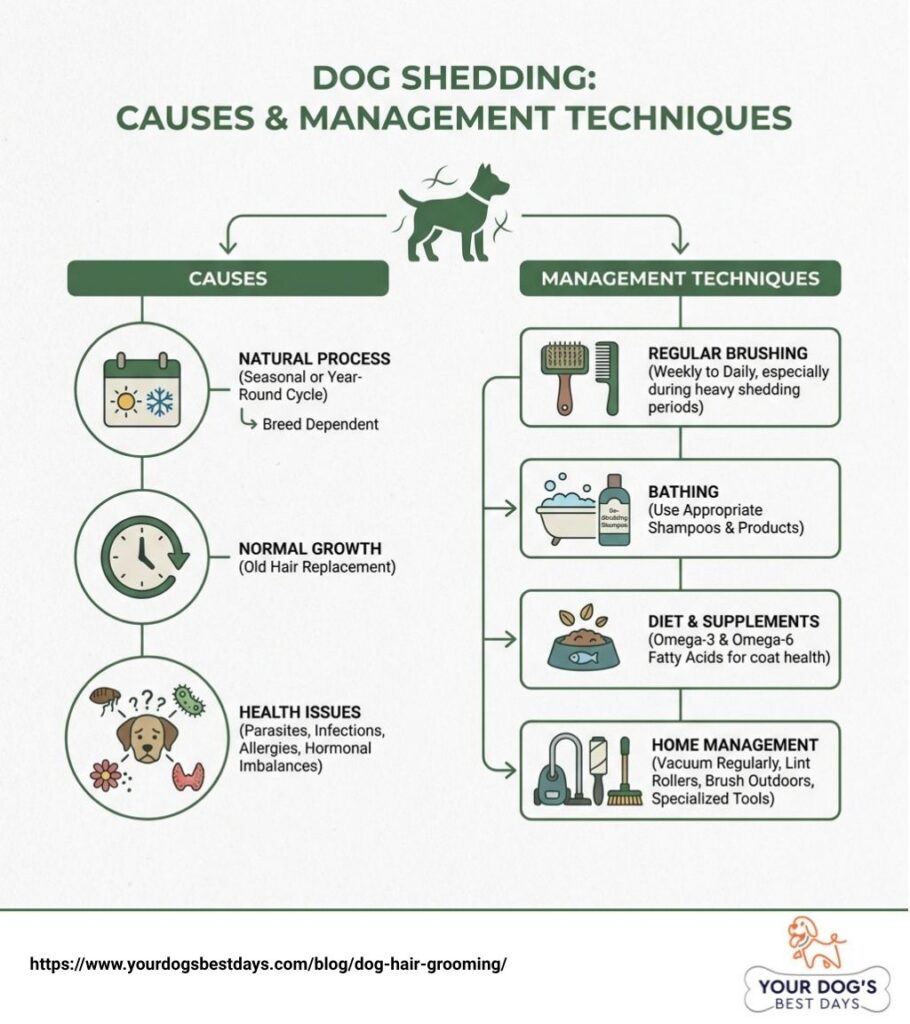
Excessive Shedding: Shedding is normal, but can be managed. As explained by the AKC in Dog Shedding: What To Expect and How To Manage It, regular brushing is the best defense. A diet rich in Omega fatty acids can also promote a healthier coat. If shedding is accompanied by bald spots or skin irritation, consult your vet.
Safe Mat Removal: Mats are tangled clumps of hair that can be painful. For small mats, use a detangling spray and gently work them out with a comb. Warning: Never use scissors to cut out mats close to the skin. It is extremely easy to cut your dog. For severe mats, professional help is the safest option to avoid injury and skin infections.
DIY Skunk Odor Removal: If your dog gets skunked, this DIY recipe is highly effective:
- Mix 1/2 quart of 3% hydrogen peroxide, 1/8 cup of baking soda, and 1 teaspoon of liquid dish soap.
- Wearing gloves, lather the mixture into your dog’s dry coat, avoiding the eyes.
- Let it sit for 5-10 minutes, then rinse thoroughly.
- Follow up with regular dog shampoo.
Advanced Care and When to Call a Professional
While at-home dog hair grooming is fundamental, sometimes our furry friends need a little extra help. That’s when professional groomers and veterinarians become invaluable partners in keeping your dog healthy and happy.
Managing Common Skin Problems
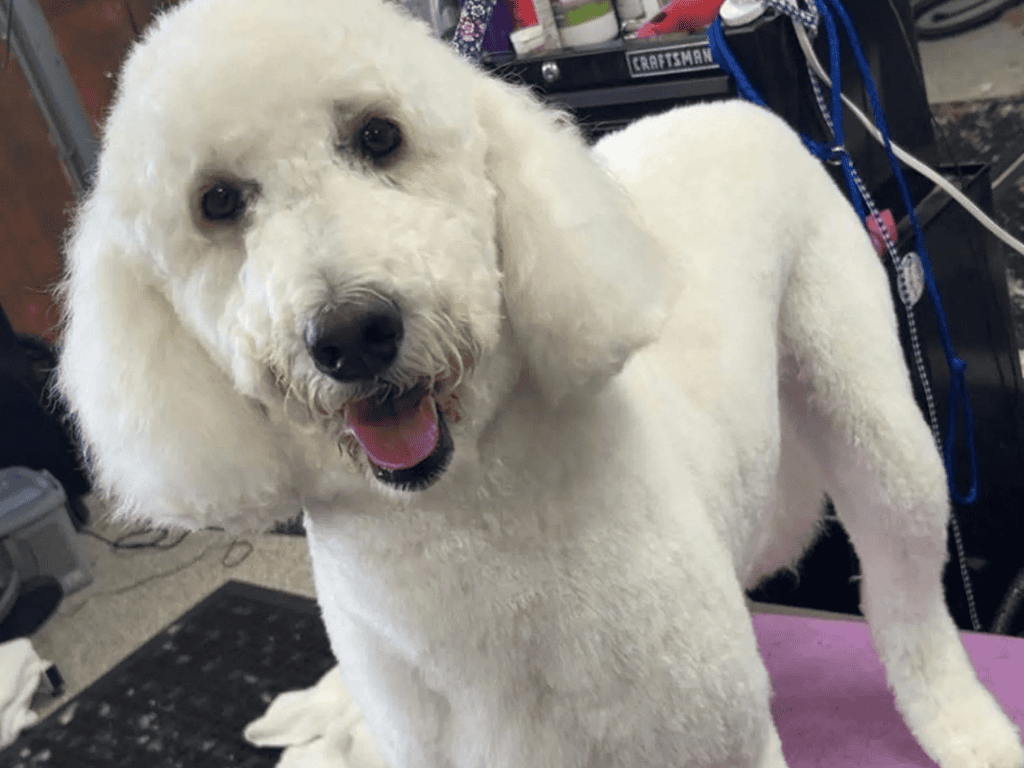
A dog’s coat often reflects its overall health. During grooming, watch for these common skin problems:
- Hot Spots: These are red, moist, irritated areas of skin that can appear quickly. They are often caused by a dog licking or chewing an area due to an underlying issue like an allergy or insect bite. Keep the area clean and dry, and see a vet if it doesn’t improve.
- Mange: A skin disease caused by mites, leading to intense itching, scabs, and hair loss. A vet visit is crucial for diagnosis and treatment.
- Allergies: Environmental or food allergies can cause itchy skin, redness, and ear infections. Your vet can help identify and manage allergens.
- Fleas: These parasites cause intense itching and can lead to skin infections. Use a consistent, vet-recommended flea preventative.
Persistent skin issues, hair loss, or unusual odors require a trip to the veterinarian. For dogs whose skin issues stem from boredom or anxiety, engaging activities like our dog daycare can also provide helpful stimulation.
Key Takeaways: Keeping Your Dog Healthy and Comfortable
Regular grooming is an essential part of responsible dog ownership. By establishing a calm, consistent routine, you can prevent painful medical issues and strengthen the bond with your pet.
- Match the Brush to the Breed: Use an undercoat rake for double-coated breeds (like Huskies) and a slicker brush for curly or long coats (like Poodles and Golden Retrievers).
- Don’t Forget the Details: Brushing is only part of the job. Weekly ear checks and bi-weekly nail trims are non-negotiable for preventing severe infections and joint pain.
- Never Cut Mats with Scissors: Severe mats pull tightly against the skin. Attempting to cut them out at home frequently results in accidental lacerations. Always leave severe matting to the professionals.
- Monitor Skin Health: Use your brushing sessions to actively check for hot spots, ticks, fleas, and unusual lumps that might require a veterinarian’s attention.
Does your dog need a professional touch? If you are dealing with severe matting, heavy shedding, or just want your dog to look their absolute best, the expert team at Your Dog’s Best Days can help.
Book a grooming appointment at our Tulsa, Broken Arrow, or Jenks locations today.